

The biggest security system trends to watch in 2026 include real-time AI threat detection, AI-assisted cybersecurity, advanced thermal imaging for night-time surveillance, and cloud-based remote monitoring. Choosing a brand with built-in cybersecurity protections, like Provision ISR, is increasingly important as digital threats continue to grow.
Security technology is evolving rapidly, with emerging innovations designed to protect people, property, and data more effectively than ever. In this article, we explore the key trends shaping the future of security systems in 2026 and beyond.
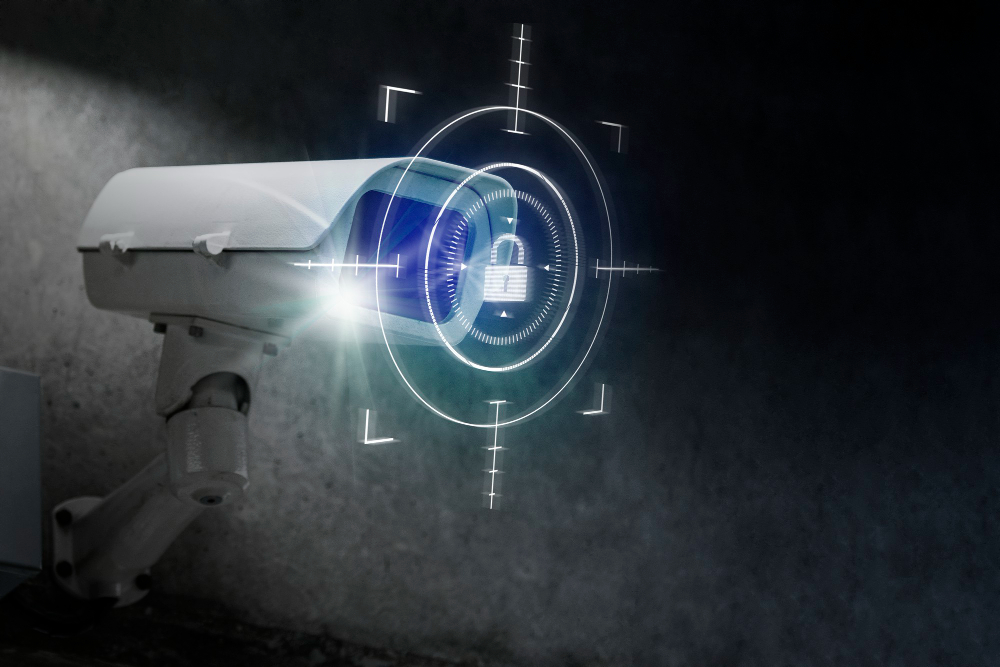
1. Enhancing Security Through Real-Time AI Data Analysis
Artificial intelligence is becoming a powerful tool in modern security systems. AI models can process vast amounts of data in real time, far faster than any human, allowing systems to detect threats early and trigger proactive responses, such as activating alarms or notifying authorities.
In addition to active defence, AI can perform regular vulnerability checks, helping property owners stay ahead of potential security gaps like faulty alarms or perimeter breaches. Another benefit is the reduction of false alarms, which improves response efficiency and can lower overall system costs in the long term.
2. Strengthening Cybersecurity with AI, Without Replacing Human Oversight
AI also plays a vital role in cybersecurity. From secure user authentication to monitoring internal activity, AI enhances protection by identifying unusual behaviours or attempted breaches. It can also detect phishing attempts and other malicious activity with high accuracy. Brands such as Provision ISR are gaining traction due to built-in cybersecurity measures, including Checkpoint Software integration that protects systems from remote attacks and malware intrusions.
However, automation doesn’t replace the need for human decision-making. The goal is to improve response times and reduce repetitive tasks, freeing trained professionals to handle more complex security decisions. For critical systems, especially those requiring 24/7 monitoring, the presence of a skilled operator remains essential.
3. Advancements in Night-Time Surveillance Technology
Night-time security presents unique challenges, but thermal imaging cameras are closing the gap. These devices detect temperature differences rather than relying on visible light, allowing them to function in total darkness and poor weather conditions. Advanced models can distinguish between human movement and irrelevant triggers like birds or small animals, further reducing false alarms. CCTV cameras that combine thermal and optical technology are expected to lead the market, offering comprehensive surveillance in a single unit. They also provide actionable footage that can assist law enforcement in real-time investigations.
Thermal imaging isn’t just useful for intrusion detection. It can support compliance in industries with strict temperature controls, such as food production, and help identify insulation gaps that may be increasing energy costs. When shared appropriately, this data can also support broader initiatives like urban planning and environmental monitoring.
4. Cloud-Based Monitoring for Remote Security Management
Cloud-based monitoring enables secure, remote access to your security system via an internet-connected device. By storing data on encrypted external servers, these systems eliminate the need for bulky on-site hardware and allow authorised users to check in from anywhere.
Multi-factor authentication adds a strong layer of protection, and customisable alerts keep you informed in real-time. For growing businesses, cloud systems offer scalable solutions that are often more cost-effective and easier to maintain than traditional infrastructure.
Conclusion
The security landscape is evolving in response to new risks and technological capabilities. From AI-driven surveillance and advanced thermal imaging to cloud-based access and embedded cybersecurity, the systems of 2026 are smarter and more secure. However, cybersecurity threats from certain manufacturers underscore the importance of selecting the right brand.
Trusted providers like Provision ISR, with built-in protections and secure-by-design systems, offer peace of mind in an increasingly complex digital environment.
Looking for a system that’s future-ready and cybersecure? Explore our commercial security solutions or speak with our team at BPoint Communications to find the right fit for your business.
Frequently Asked Questions
What are the biggest security system trends in 2026?
The most significant security system trends in 2026 include AI-powered real-time threat detection, advanced thermal imaging for night-time surveillance, cloud-based remote monitoring, and AI-assisted cybersecurity. Businesses are also placing greater emphasis on selecting brands with secure-by-design hardware, particularly as concerns grow around vulnerabilities in certain manufacturers’ products.
How is AI being used in security systems in 2026?
AI is being used across multiple layers of modern security systems. In physical surveillance, AI can analyse live camera feeds to detect unusual behaviour, identify intruders, and reduce false alarms. In cybersecurity, AI monitors network activity to flag unauthorised access attempts and phishing threats. While AI improves speed and accuracy, human oversight remains essential for critical decisions, particularly in 24/7 monitoring environments.
Are cloud-based security systems safe for businesses?
Yes, cloud-based security systems are safe for businesses when properly configured. They store footage and data on encrypted external servers, removing the need for on-site hardware that can be physically tampered with. Features like multi-factor authentication and real-time alerts add further layers of protection. For growing businesses, cloud systems also offer the advantage of scalability, making it easy to add cameras or users without a major infrastructure overhaul.
What is thermal imaging and why is it useful for business security?
Thermal imaging cameras detect heat signatures rather than relying on visible light, making them effective in total darkness, fog, and poor weather conditions. For business security, this means reliable night-time surveillance without the need for external lighting. Advanced models can also filter out false triggers like small animals, improving accuracy. Beyond security, thermal cameras have practical applications in food production compliance and energy auditing.
How do AI-powered security systems reduce false alarms?
AI-powered security systems reduce false alarms by learning to distinguish between genuine threats and harmless activity. For example, a traditional motion sensor may trigger on a passing animal or a swaying tree branch, whereas an AI-enabled camera can analyse the shape, size, and movement pattern of an object before raising an alert. This improves response efficiency and reduces unnecessary call-outs, which can save businesses significant time and cost over the long term.
What should businesses look for in a cybersecure CCTV system in 2026?
Businesses should look for CCTV systems that include end-to-end encryption, secure firmware updates, and protection against remote access attacks. Brands like Provision ISR offer built-in cybersecurity through integrations such as Checkpoint Software, which guards against malware and unauthorised intrusions. It is also worth considering whether a brand has faced government scrutiny or bans in other markets, as this can signal broader concerns about data handling and system integrity.
Do modern security systems still require on-site hardware?
Not necessarily. Cloud-based security systems have significantly reduced the reliance on bulky on-site hardware like local recording servers. Camera footage and data can now be stored securely on remote encrypted servers and accessed from any internet-connected device. However, the cameras themselves still need to be physically installed, and for high-security or enterprise environments, a hybrid approach combining cloud and local storage may be recommended for redundancy.